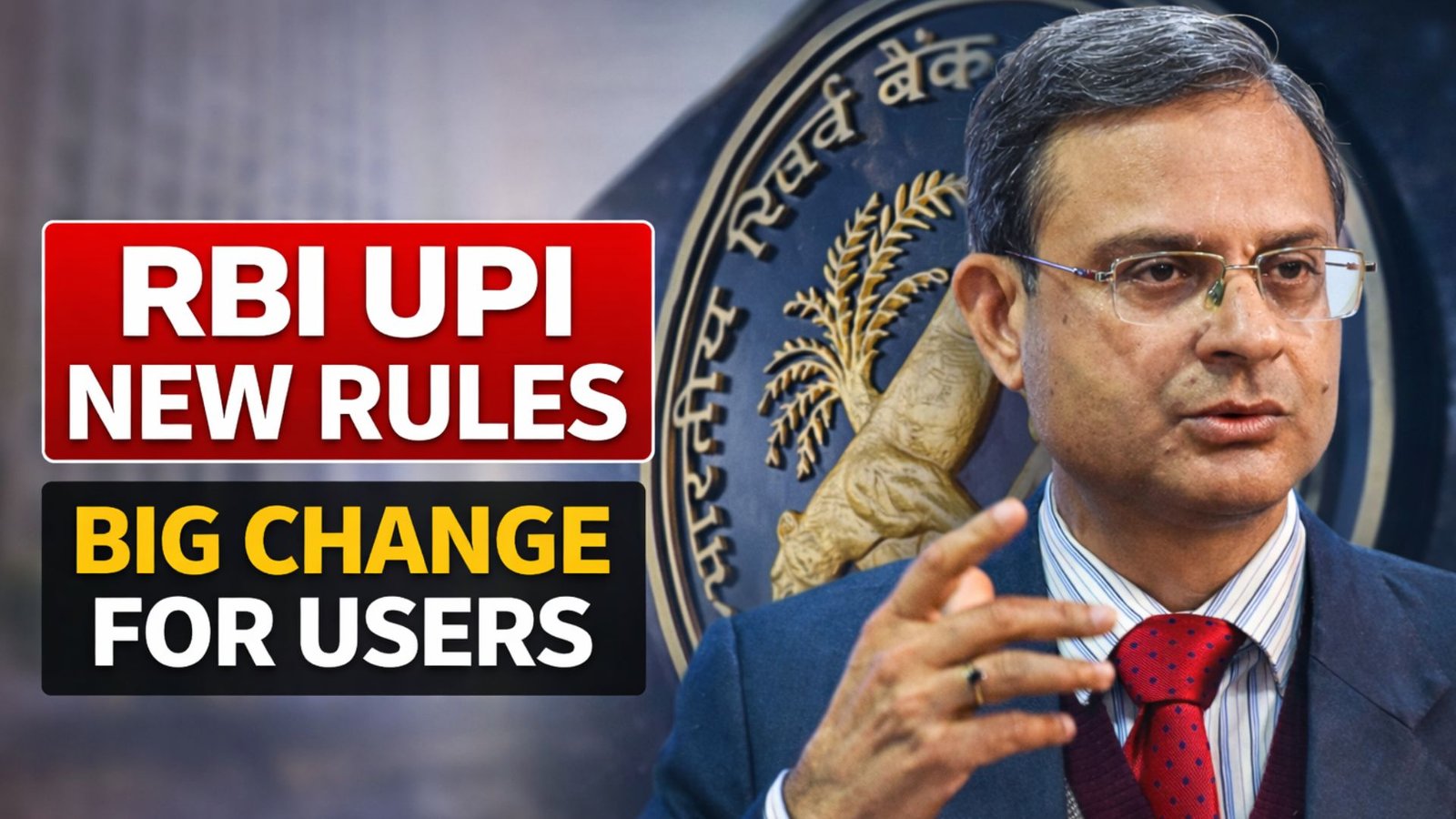
2026 RBI UPI New Rules: The Reserve Bank of India (RBI) has just announced major updates to the UPI system for 2026, and the news is sending shockwaves across India’s digital payment ecosystem.
With over 500 million users relying on UPI every day, these changes are set to impact how people send and receive money, shop online, and even pay bills. Whether you use PhonePe, Google Pay, Paytm, or bank apps, understanding the new rules now can save you from trouble later.
What’s Changed in the UPI Limits
One of the key updates in the 2026 UPI rules involves transaction limits. RBI has reviewed the daily and per-transaction caps to match current economic trends and growing digital payments usage. This means users might notice limits adjusted higher or lower based on the type of account or payment platform they use. The idea is to make payments safer and more manageable for everyone.
Enhanced Security Measures
Security has always been a priority for digital payments, and the new UPI norms emphasize it even more. RBI’s guidelines include stronger authentication processes to protect users from fraud and unauthorized access. This could include multi-factor verification steps for high-value transactions or new verification methods to confirm user identity before funds are transferred.
Changes in Merchant Transactions
Businesses that accept UPI will also face updates. The new rules outline how merchants are categorized and how transaction charges may apply. Small businesses may benefit from lower charges, while larger enterprises could face different fee structures. This adjustment aims to balance the digital payments ecosystem so it’s fair for both consumers and merchants.
Impact on Payment Apps
UPI apps like PhonePe, Google Pay, Paytm, and bank-specific apps will need to update their systems quickly to comply with RBI’s new guidelines. Users may see interface changes, new pop-up alerts, or in-app notices explaining the updated processes. These updates are intended to ensure that users always stay informed while making seamless transactions.
Simplified Dispute Resolution
UPI disputes — like refunds or transaction errors — are now expected to be resolved faster. RBI’s updated rules include clear timelines and processes for customers to report issues and get refunds. This means less waiting time and more transparency if something goes wrong during a payment.
Who Needs to Know These Rules
Every Indian resident who uses UPI for daily transactions should be aware of these changes. From students paying friends back, to families buying groceries, to shop owners accepting payments — the new rules affect everyone. Even international users linked with Indian UPI apps may see some policy changes apply to them.
Why RBI Made the Changes
The growth of digital payments in India has been massive, and the RBI wants to ensure UPI remains safe, efficient, and scalable for the future. These rule changes reflect changes in user behaviour, rising digital adoption, and the need for stronger fraud protection. By updating the system now, the RBI hopes to maintain trust in UPI as India’s preferred payment method.
Final Verdict: 2026 RBI UPI New Rules
The 2026 RBI UPI new rules are a big stepping stone in India’s digital payment revolution. With updated transaction limits, enhanced security, merchant-focused changes, and improved dispute resolution, these rules aim to make UPI safer and more balanced for everyone. If users adapt quickly and stay aware of the new norms, the future of digital money in India looks more secure and faster than ever.